

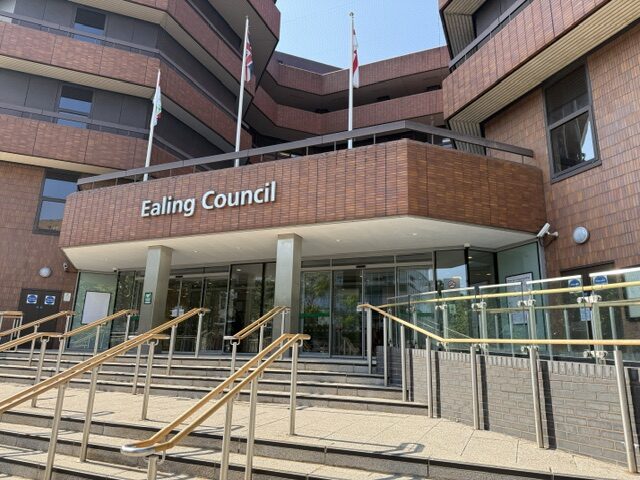
Ealing Council launched a child protection plan after mistakenly noting that a child had a sexually transmitted infection (STI).
A report by the Local Government and Social Care Ombudsman states the child’s mother brought them to see a GP after noticing lesions in their private area, after which a doctor said “it is unusual to happen at this age group, and commented it could happen via sexual activity”. Crucially, the doctor did not rule definitively that it happened via sexual activity and called for a specialist to rule out sexual abuse.
Three days later, Ealing Council wrote in a separate document that the lesions were due to an STI. The family had seen a private paediatrician who raised no concerns, but referred the child to a dermatologist.
The dermatologist gave a “suggestive” diagnosis of a common viral infection at an appointment three days later. In subsequent meetings, Ealing Council repeatedly stated that the child had a sexually transmitted infection despite there being no diagnosis of such.
The council then referred the child, named as Y in the report, for a child protection medical the following day. The service declined the referral, arguing that there was no evidence of sexual abuse.
The council then visited Y and their siblings a week later. Y did not raise any concerns, but their sibling did raise a separate concern according to the council.
Thereafter, the council held further meetings, this time noting that the lesions could be sexually transmitted, although most professionals argued that the threshold was not met for a child protection plan. This was because there was “no evidence of sexual abuse” or a formal diagnosis of an STI.
At the end of June 2024, the NHS considered the case and said it did not have safeguarding concerns. The family sent the report to the council, asking for the reports to be amended because they contained factual inaccuracies.
The child’s father, referred to as Mr X, complained to the council about the inaccuracies. However, Ealing Council insisted that there were no inaccuracies. The complaint was then escalated, and the council eventually apologised for “grammatical errors” in the assessment.
In response to Ombudsman enquiries the council stated that the GP made the initial referral on the telephone, then a written referral. The local authority said they differed slightly, but both raised concerns of a risk of sexual abuse.
The council said it made decisions regarding possible sexual abuse and the concerns raised by Y’s sibling. At no point in the case recording or the written referral did it say Y definitely had a sexually transmitted infection.
However the council wrote this in a document three days after the referral, and in later reports and assessments. This was not an accurate reflection of the referral so the Ombudsman ruled this as a fault.
Ealing Council paid Mr X £500 and has apologised for inaccurately recording the GP referral and delaying a response to his complaints. The council has also placed a letter on the case files detailing the errors, and sent the letter to related professionals.
Ealing Council was contacted for comment but did not respond by the time of publication.

.)