

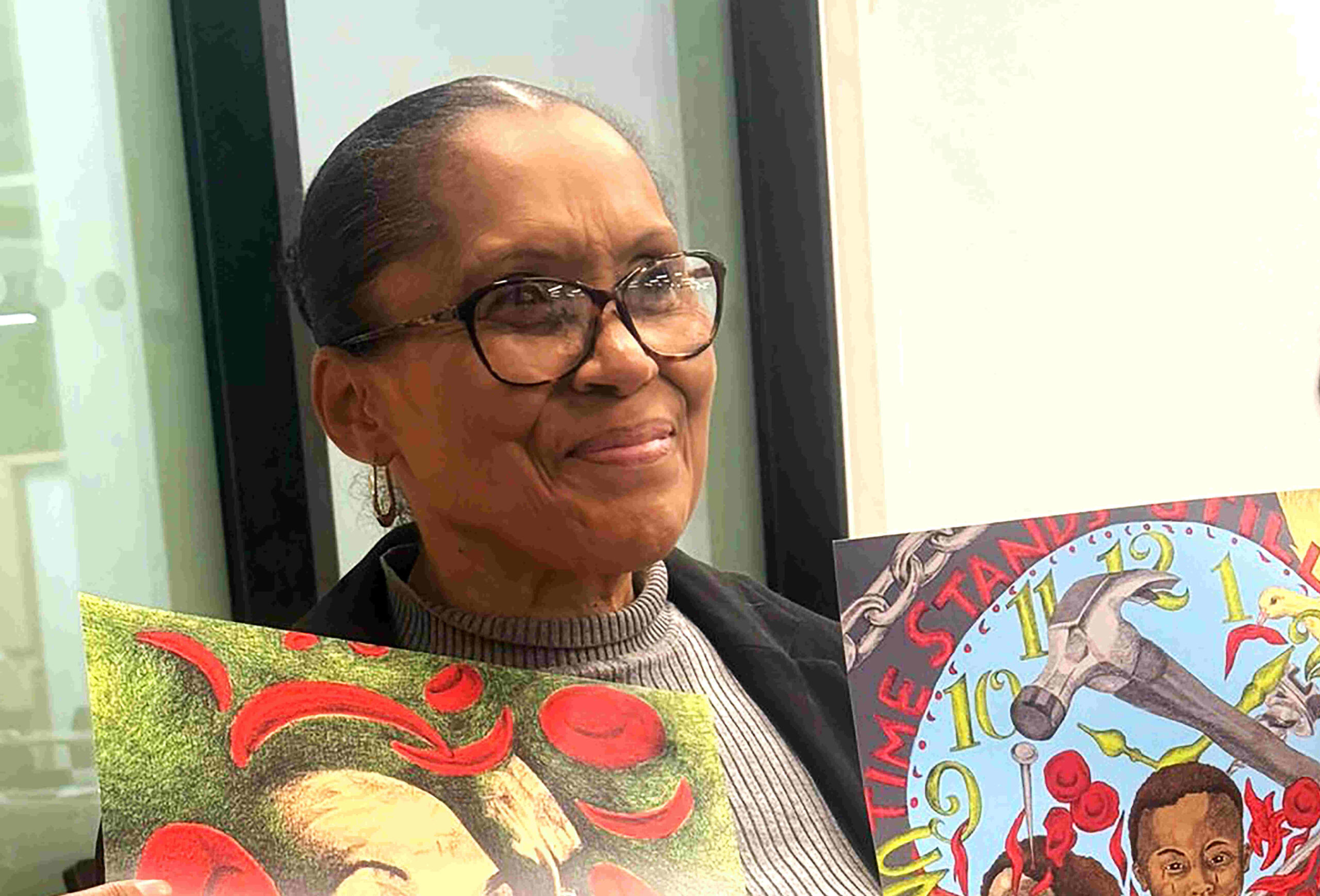
Laurel Brumant-Palmer was just three years old when she was diagnosed with sickle cell anaemia – a condition she describes as both painful and misunderstood. Now 61, the Ealing-based campaigner has spent her life battling not just the illness, but the prejudice surrounding it.
She says: “I call myself the miracle child. I do not want it dictating what I can and cannot do. The mental aspect of managing sickle cell is especially important. I tell people to try and not to be defined by their condition.”
Sickle cell, which disproportionately affects people of African and Caribbean heritage, causes red blood cells to become misshapen and impair oxygen transport, leading to agonising pain and long-term complications. Laurel has experienced it all — but often without the compassion she says patients deserve.
Layrel revealed: “A lack of understanding about sickle cell means a lot of the community are unfairly labelled as aggressive, confrontational drug seekers. The reality is we are often in horrendous pain and made to wait longer than necessary for medication.”
She credits pioneering nurse Elizabeth Anionwu — who helped establish the UK’s first sickle cell centre in the 1970s — as a turning point. “Elizabeth saw something was wrong and dedicated her life to doing something about it.”
Laurel, a former school art technician, was forced to retire due to ill health two years ago. But her advocacy continues. Through Strength in Sickle, a patient group that challenged poor care and racism, she helped push for reforms.
Following a letter to London North West University Healthcare NHS Trust (LNWH) chief executive Pippa Nightingale, hospitals have committed to providing pain relief to sickle cell patients within 30 minutes of arrival. LNWH runs Ealing Hospital, Central Middlesex Hospital and Northwick Park.
Now busier than ever, Laurel works with support networks, clinical trial groups, and spreads awareness through her art and social media. Her hope for the future is clear: “I’d like my legacy to be that I helped make things easier for the next generation of patients including campaigning for sickle cell to be officially recognised as a disability.”

