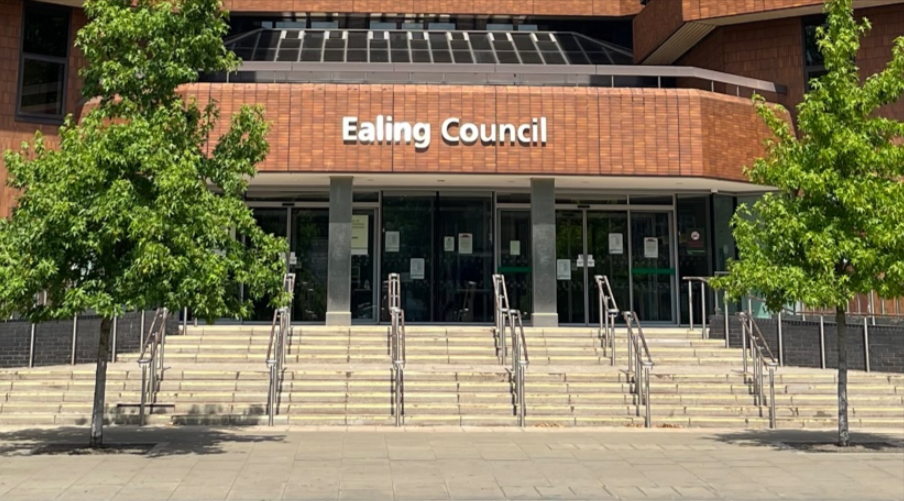
More than one in five Freedom of Information requests sent to Ealing Council last year were not answered within the legal deadline, according to a report due to be discussed by councillors today (24 June 2026).
The figures, which will be considered by Ealing’s Standards Committee on Wednesday (24 June), show the Labour-run council answered 77% of Freedom of Information and Environmental Information requests within the statutory 20-working-day deadline in 2025, down from 86% the previous year.
The decline marks a significant reversal after several years of improvement. Ealing answered 64.9% of requests on time in 2021, rising to 79.3% in 2022 and 89% in 2023. Performance slipped slightly to 86% in 2024 before falling to 77% last year.
A total of 2,083 requests were received during 2025, up from 1,920 the previous year and the highest figure recorded in the report.
The report also reveals Ealing’s Freedom of Information team consists of just two people, despite the council receiving more than 2,000 requests for information last year. Those staff are responsible for coordinating responses across council departments, reviewing draft replies and ensuring legal requirements are met before information is released.
Lorraine Cox, Ealing Council’s Head of Information Governance, said in her report: “This level of requests continues to place a significant burden on service areas in addition to their daily duties to provide a response. Requests are becoming more detailed and require significant staff time to provide a response.”
Performance worsened as the year progressed. More than nine in ten requests were answered within the deadline during the first three months of 2025, but by the final quarter that had fallen to just 59%.
Housing and Environment received the largest share of requests, accounting for 835 enquiries. The directorate was also linked to 17 of the 20 complaints referred to the Information Commissioner’s Office during the year.
People unhappy with the council’s responses also challenged decisions more often. The number of internal reviews rose from 54 in 2024 to 82 last year.
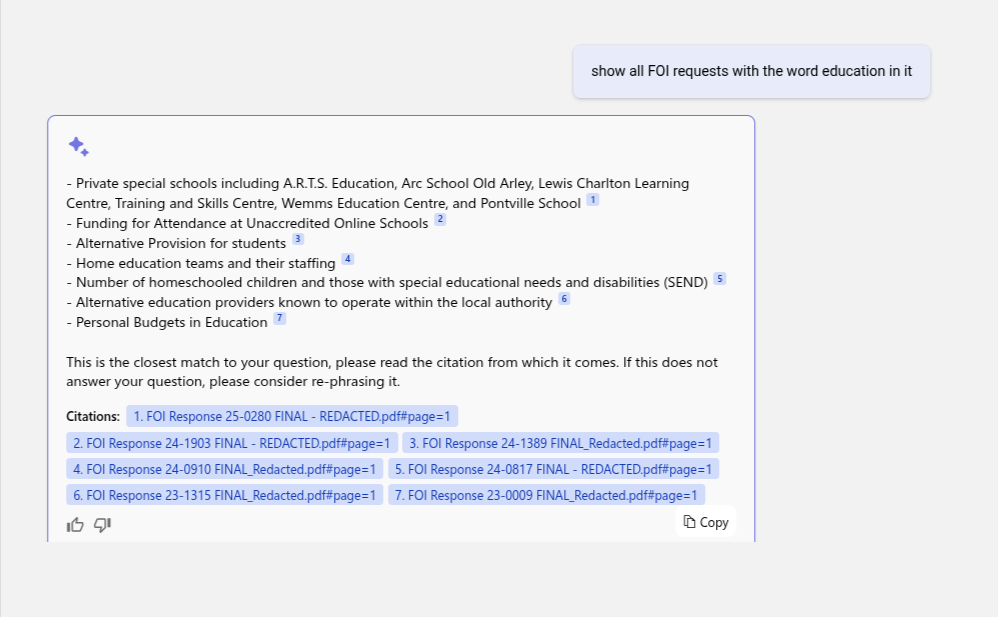
The report highlights the council’s online FOI portal, which was introduced in late 2024 to help people find answers to previous requests without submitting new ones. The council says the system received 2,607 visits last year.
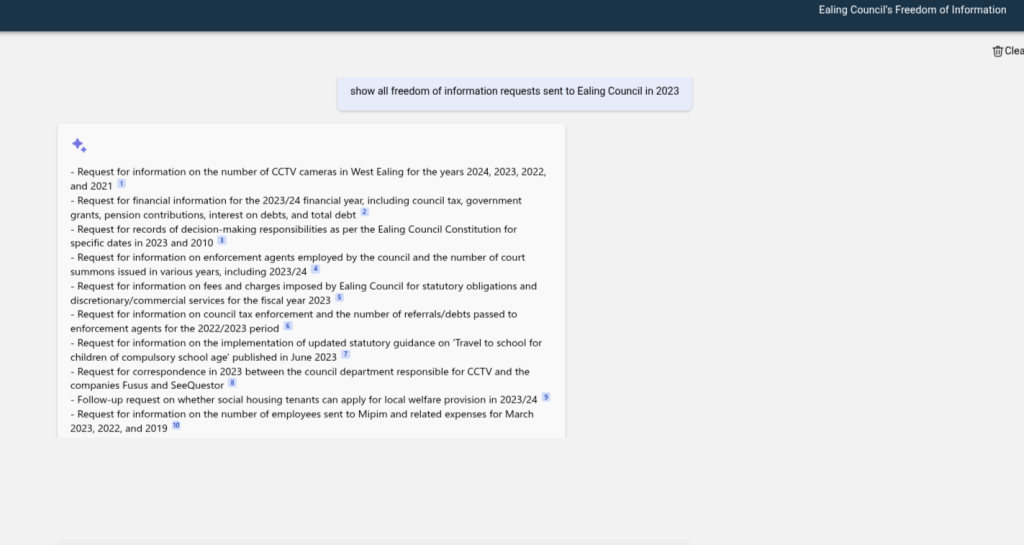
The move to publish previous FOI responses followed a 2023 challenge from Ealing Liberal Democrats, who argued the council was falling behind authorities including Harrow, Barnet, Bexley and Tower Hamlets in making past requests publicly accessible.
Those councils, along with many others across the country, provide searchable logs of previous Freedom of Information requests, allowing users to browse responses by date and, in some cases, by subject category.
However, Ealing’s portal has previously been criticised by users who argue it is difficult to navigate because it does not allow visitors to browse requests by date or category, or view a complete archive of published Freedom of Information responses.
Gary Malcolm, leader of Ealing Liberal Democrats, said: “The Liberal Democrats believe Ealing Council has been terrible at answering people’s FOI requests quickly. The AI integration tool does not seem to be very intuitive for users.”
Ealing Council previously told EALING.NEWS that its AI tool, which appears on a dedicated FOI page at foi.ealing.gov.uk, was “set up for users to search information on a range of matters, including the content of the council’s website and questions that may have been previously requested via an FOI. It does not serve as a log of all FOI requests.”

