

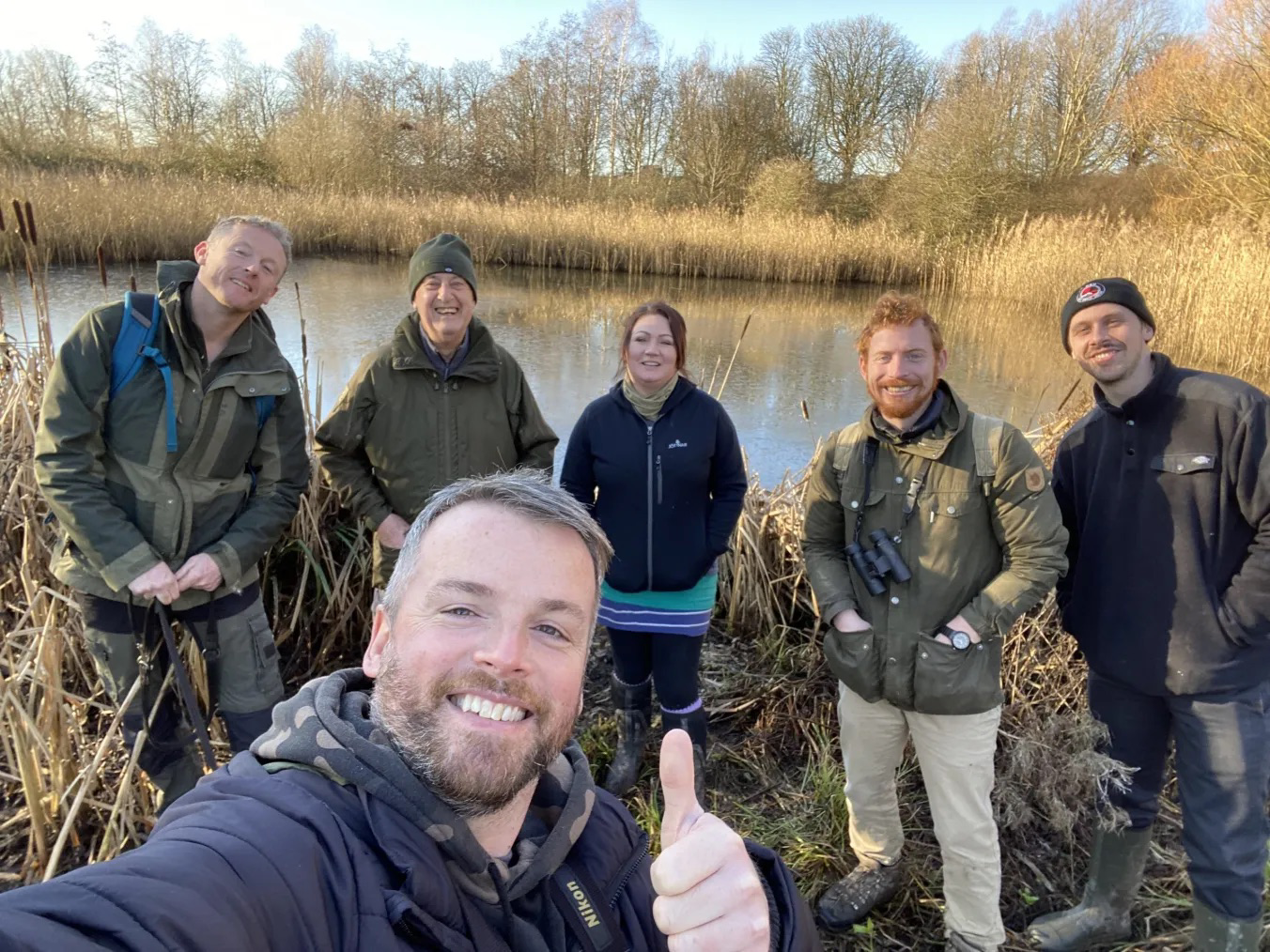
Dr Sean McCormack, founder and chair of the Ealing Wildlife Group (EWG), has announced he will step down from the leadership role in April 2026 after almost a decade, though he will remain actively involved in the organisation as its rewilding and conservation officer.
Dr McCormack, a vet by profession, set up the group in 2016 with a handful of volunteers armed with binoculars and muddy boots. Since then, EWG has grown into a prominent local force for rewilding and wildlife protection, credited with spearheading habitat restoration, species reintroductions and community engagement projects across the borough.
In a post on the group’s blog, Dr McCormack wrote: “In April 2026, after a decade in the role, I’ll be stepping down as Chair of Ealing Wildlife Group. This isn’t goodbye – not by a long stretch. I’ll be staying on as our Rewilding and Conservation Officer, continuing to lead on the big projects that are closest to my heart, from restoring habitats and championing species reintroductions, to getting more people involved in nature on their doorstep. But it’s time to pass the baton on the leadership side.”
Under his leadership, the group has overseen the return of harvest mice and beavers to Ealing’s green spaces, supported the successful nesting of peregrine falcons on the roof of Ealing Hospital, and worked with community partners to improve habitats for owls, newts and other species. The hospital’s resident falcons, affectionately named Freddie and Dusty, have gained a global following through EWG’s live webcam.
The organisation has also become a significant voice in local environmental policymaking, contributing to Ealing’s Biodiversity Action Plan, while hosting hundreds of events designed to connect residents with nature. Last year, the group was awarded the King’s Award for Voluntary Service, with members also welcoming Sir David Attenborough during filming for an upcoming project.
Announcing his decision in a statement to members, Dr McCormack said the role had been “a big responsibility” and admitted he had sometimes been frustrated by local politics and the unpaid nature of the position. “It’s time to share that responsibility with someone new who can bring fresh energy, ideas and direction,” he said.
Although stepping down as chair, Dr McCormack stressed he would continue to lead on habitat restoration and species reintroduction. He invited potential successors from all backgrounds to come forward: “What matters most is your ability to lead, organise, inspire, and continue the collaborative, community-driven ethos that makes EWG so special.”
Reflecting on the group’s journey, Dr McCormack said its spirit lay not just in protecting wildlife but in forging a sense of belonging. He added: “It’s about proving that you don’t have to travel to far-flung wildernesses to be moved, changed and inspired by nature.”

, has announced he will step down from the leadership role in April 2026 after almost a decade, though he will remain actively involved in the organisation as its rewilding and conservation officer.)