

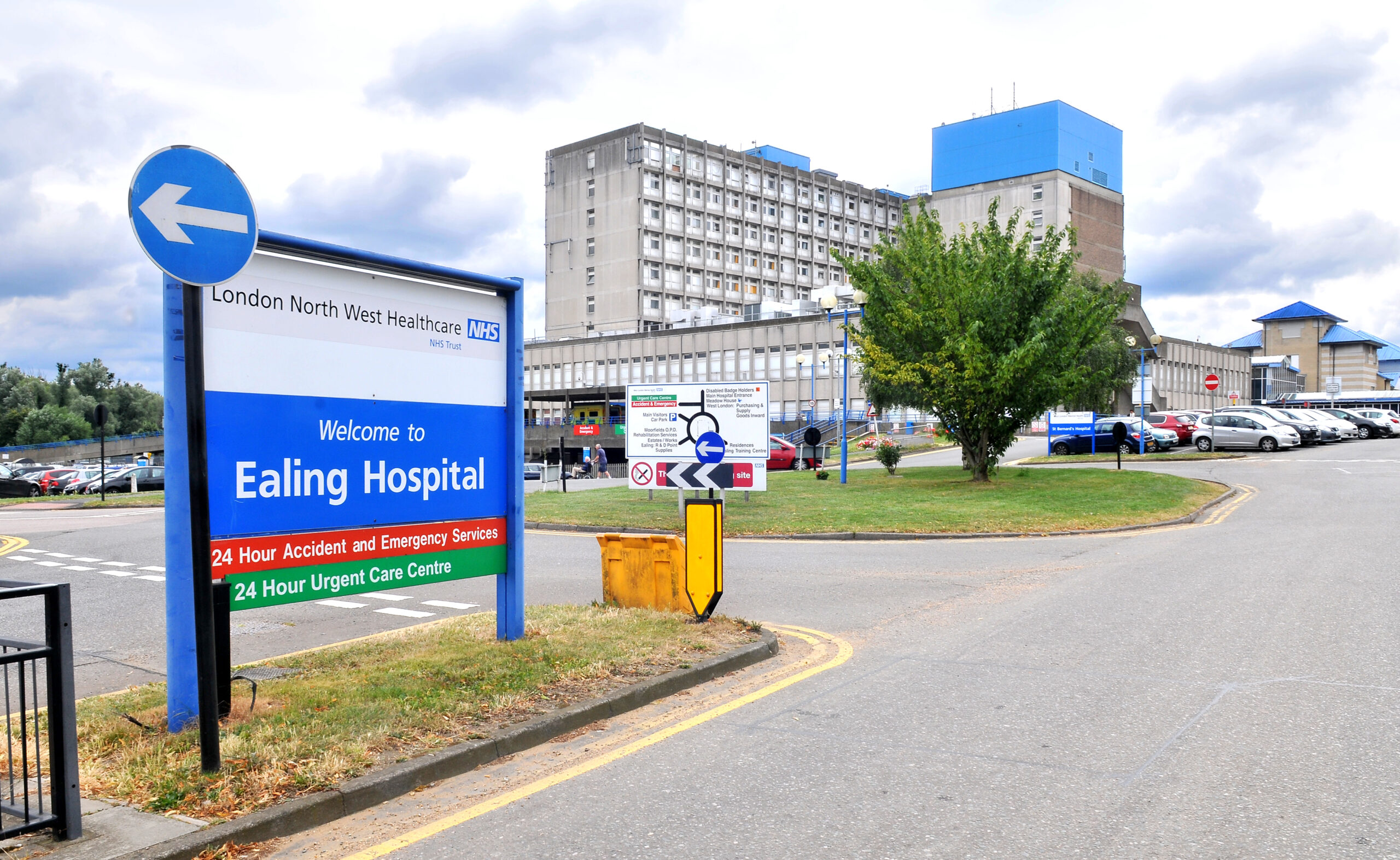
Emergency and urgent care services at Park Royal’s Central Middlesex Hospital, Ealing Hospital and Harrow’s Northwick Park Hospital, all run by London North West University Healthcare NHS Trust (LNWH), have received mixed ratings in new inspection reports published by the Care Quality Commission.
Central Middlesex Hospital has been rated good overall, while urgent and emergency services at Northwick Park and Ealing continue to require improvement.
The inspections were carried out in July as part of the CQC’s ongoing monitoring programme and to assess whether improvements requested at earlier visits had been delivered. Inspectors reported a positive culture, strong clinical practice and compassionate care, but also identified persistent pressures and operational weaknesses that continue to affect patient safety and experience at the busiest sites.
Central Middlesex Hospital, which operates an urgent treatment centre rather than a full accident and emergency department, received a good rating for safety, effectiveness, caring, responsiveness and leadership. Inspectors highlighted clear communication with patients, involvement in decision making and a calm, well managed environment. The rating has raised the hospital’s overall score to good.
The situation at Northwick Park and Ealing hospitals was more mixed. Both were rated good for caring, effective work and leadership, but require improvement for safety and responsiveness. At both sites, the rating for safety dropped from good to requires improvement. Inspectors linked this decline to delays in treatment, overcrowding and inconsistent staffing in temporary escalation spaces used during periods of high demand.
The reports describe emergency departments struggling to manage very high attendances, with some patients waiting more than 12 hours for treatment. At peak times the hospitals did not have enough designated clinical areas to accommodate everyone, which meant care was sometimes delivered in corridors. Inspectors said this made it difficult for staff to protect people’s privacy and limited their ability to monitor deteriorating patients safely.
At Northwick Park, inspectors found that staff were not always visible in temporary care areas. They warned that this could put people at risk if their condition worsened and staff did not respond quickly enough. The inspection also found that the waiting room lacked enough seating during busy periods, leaving some patients standing or sitting on the floor while they waited.
Ealing Hospital faced similar challenges, with inspectors reporting that temporary escalation areas were at times staffed without enough appropriately qualified clinicians to meet people’s needs safely. At both Ealing and Northwick Park, staff did not always provide accurate or accessible information to patients about waiting times or what to expect, which contributed to frustration and uncertainty.
Although all three hospitals were visibly clean, inspectors found inconsistencies in infection prevention and control practice. Some clinical equipment at Ealing and Central Middlesex Hospitals had not been consistently cleaned or labelled to confirm it was safe for use. The CQC said this created avoidable risk, particularly during periods of high patient turnover.
Despite these concerns, the reports also document several positive findings. People at all three hospitals told inspectors they felt safe raising concerns with staff. Medication management was described as safe and well organised. Inspectors said staff treated patients with kindness and respect, and described a culture in which leaders listened to concerns and encouraged learning from incidents.
At Central Middlesex Hospital, patients consistently reported receiving clear explanations and being involved in decisions about their care. Inspectors observed staff taking time to discuss treatment options and answer questions, even during busy periods.
Since the inspections, the trust has introduced measures aimed at reducing overcrowding and improving the safety of patients waiting in temporary areas. These include increasing capacity in the Clinical Decision Unit, creating a discharge ready unit for people awaiting social care support and opening a specialist Older People’s Short Stay Unit to ensure elderly patients receive assessment and treatment earlier in their stay.
The trust has also introduced new procedures to ensure patients in escalation spaces remain in sight of clinical staff at all times. This includes a requirement for a maximum ratio of one nurse to no more than five patients in these areas. Additional private spaces for assessments and conversations are also being created to improve dignity and confidentiality.
Chief executive Pippa Nightingale said: “We are extremely proud that Central Middlesex Hospital and its urgent care service are rated good. We are also pleased that inspectors recognised the compassionate and high quality care provided by our teams across all three hospitals. We know we must do more to keep patients safe during periods of exceptional pressure and the actions we have taken will further improve care for people who need our emergency services.”

