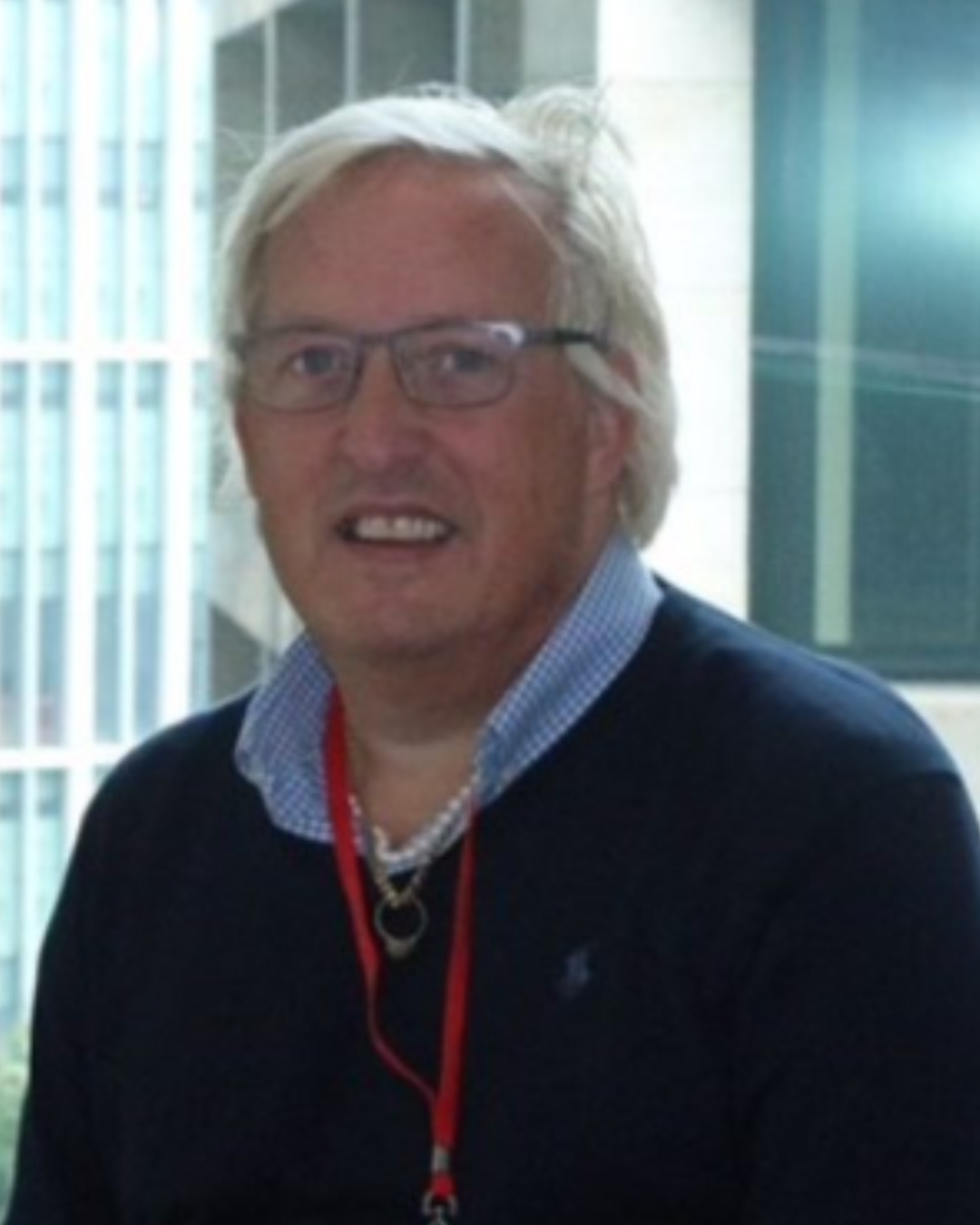
Gary Buckley is the CEO of Action West London and writes that Ealing’s NEET (young people Not in Education, Employment, or Training) challenge is a warning we can’t ignore — but it’s also an opportunity to do things differently.
“Walk through any part of Ealing and you will see a borough full of energy, diversity and ambition. But beneath that, there is a quieter story — one that should concern all of us.
“Too many of our young people are not in education, employment or training. The term “NEET” can feel clinical, but the reality is anything but. These are young people with potential, often overlooked, sometimes written off too early, and too frequently let down by systems that were meant to support them.
“What is particularly striking — and troubling — is that West London’s NEET rate is higher than the national average. In one of the most economically dynamic parts of the country, that should give us pause. It tells us something structural is not working.
“For many of these young people, the story starts early. We have a generation who moved through the school system with unmet or unrecognised SEND needs. They struggled, often silently, in environments that were not designed for them. By the time they left school, many had already disengaged from formal learning. When we later offer them courses or training, we are not starting from a neutral position — we are asking them to re-enter a system they feel has already failed them.
“We should not be surprised that some are sceptical.
“At the same time, the wider labour market is shifting in ways that make the challenge even more complex. Social mobility — once the cornerstone of the British promise — has stalled. The ladder feels steeper, and for many, further away.
“Now add the rapid rise of artificial intelligence. Roles that were once seen as safe, particularly entry-level graduate jobs, are changing or disappearing altogether. We risk creating a bottleneck where even those who “did everything right” find themselves competing in an increasingly narrow space. For those already on the margins, the risk of exclusion only grows.
“I feel this personally. I was the first in my family to go to university. I did so with a full grant, my tuition paid by the local authority — a system that believed in unlocking potential regardless of background. That pathway changed my life. It is much harder to see how that same pathway works today for many young people in boroughs like ours.
“And yet — despite all of this — I remain optimistic.
“Because alongside the challenges, there are real opportunities emerging, particularly here in West London.
“The growth of green jobs and the circular economy is not abstract — it is happening on our doorstep. Repair, reuse, retrofit, sustainable logistics: these are sectors that can provide meaningful, skilled work. They also align with the values of a generation that wants purpose alongside pay.
“We are also seeing strong demand from local people for shorter, occupationally relevant courses — practical, accessible training that leads directly to work.
“For many, this is the bridge back into learning. It builds confidence, creates momentum, and often becomes the stepping stone to further qualifications and sustained employment.
“There is much to build on locally. Ealing Council — its officers and councillors of all political stripes — deserve real credit for their commitment to the London Living Wage. It sends a clear message: work must pay, and it must have dignity.
“At a London-wide level, the Greater London Authority’s Inclusive Talent Brokerage is another example of what good looks like — actively working to ensure that all groups have access to quality employment opportunities.
“Partnerships matter too. At Action West London, we see every day what can be achieved when sectors come together. Working with businesses such as SEGRO, alongside organisations like Peabody Housing and McLaren Construction, we are building pathways that connect local people to real jobs. These partnerships are not theoretical — they are practical, place-based, and rooted in shared responsibility.
“Because the truth is, there is no magic bullet here. No single programme will “fix” the NEET challenge.
“It will take sustained effort — real graft — with civil society at the heart of the endeavour.
“If I were to set out a clear set of priorities, they would be these.
“First, we must direct greater funding towards those who are hardest to reach — particularly working-class boys from all backgrounds, who are disproportionately represented in NEET statistics.
“Second, apprenticeships should be linked to the London Living Wage. If we are serious about access, we cannot expect young people from low-income families to take up opportunities that do not cover the cost of living.
“Third, we need to rebalance our system away from an overly narrow focus on academic routes or long-form apprenticeships. There must be space for high-quality, short vocational qualifications that respond directly to labour market need.
“Fourth, we should use procurement and supply chains far more intelligently. Public bodies, large contractors and anchor institutions should be required to include local organisations and prioritise local labour. Economic growth should be felt locally, not extracted.
“Fifth, we need to rethink how employment support is delivered. Large, centralised programmes — including traditional models associated with Jobcentre Plus — are often expensive and struggle to engage those furthest from the labour market. We need approaches that are more local, relational and outcomes-focused in the truest sense — not just counting job starts, but measuring sustained, meaningful employment. Otherwise, we risk incentivising short-term placements that do not last.
“Done properly, this shift would also strengthen the wider voluntary and community sector — building capacity that could support other areas of need, from youth services to children in care, where over-reliance on high-cost private provision is already a growing concern.
“Ultimately, the NEET issue is not a niche concern. It is a signal — a canary in the coal mine for our labour market.
If we cannot create pathways for young people at the start of their working lives, it raises serious questions about the kind of economy we are building.
But I believe we can get this right.
“By bringing together employers, civil society and the public sector — including local authorities, the NHS and Jobcentre Plus — we can create a system that is more human, more flexible and more effective.
“The will is there. The partnerships are forming. The opportunity is real.
“Now we need to act.”

 challenge is a warning we can’t ignore — but it’s also an opportunity to do things differently.)