

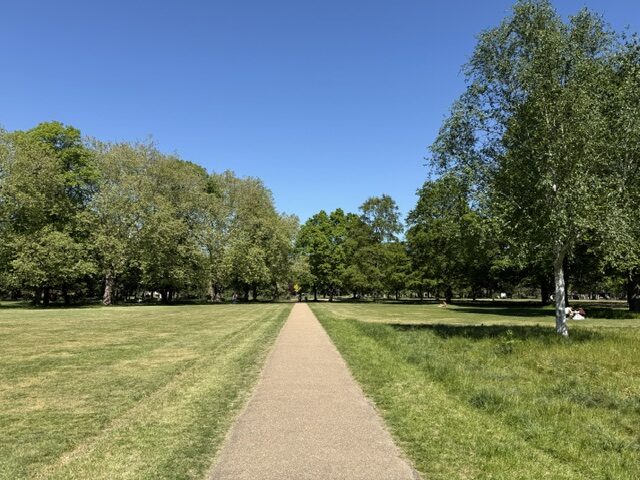
Experts are warning that some of Ealing’s best-known green spaces could worsen hay fever symptoms as pollen levels rise across the borough this spring.
Around 26 per cent of adults and up to 15 per cent of children in the UK are affected by hay fever, according to health estimates, with tree and grass pollen among the biggest triggers.
Parks including Walpole Park and Hanger Hill Wood could prove difficult for allergy sufferers because of high numbers of oak, cedar and beech trees.
Owena Cleary, director of CPR First Aid Training, said pollen levels tend to peak during the early evening.
Ms Cleary said: “Pollen levels build all day and tend to peak as the air cools in the early evening, which means parks, playing fields, and stretches of open grass should be avoided.”
She added that windy weather and long dry spells can make symptoms worse by spreading pollen further across neighbourhoods.
Common symptoms include sneezing, itchy eyes, headaches, sore throats and blocked noses.
Experts are advising residents to keep windows closed during high pollen periods, wash clothing and bedding regularly, and avoid drying laundry outdoors.
Ms Cleary also urged people with worsening symptoms to seek medical advice if over-the-counter treatments are not helping.

