
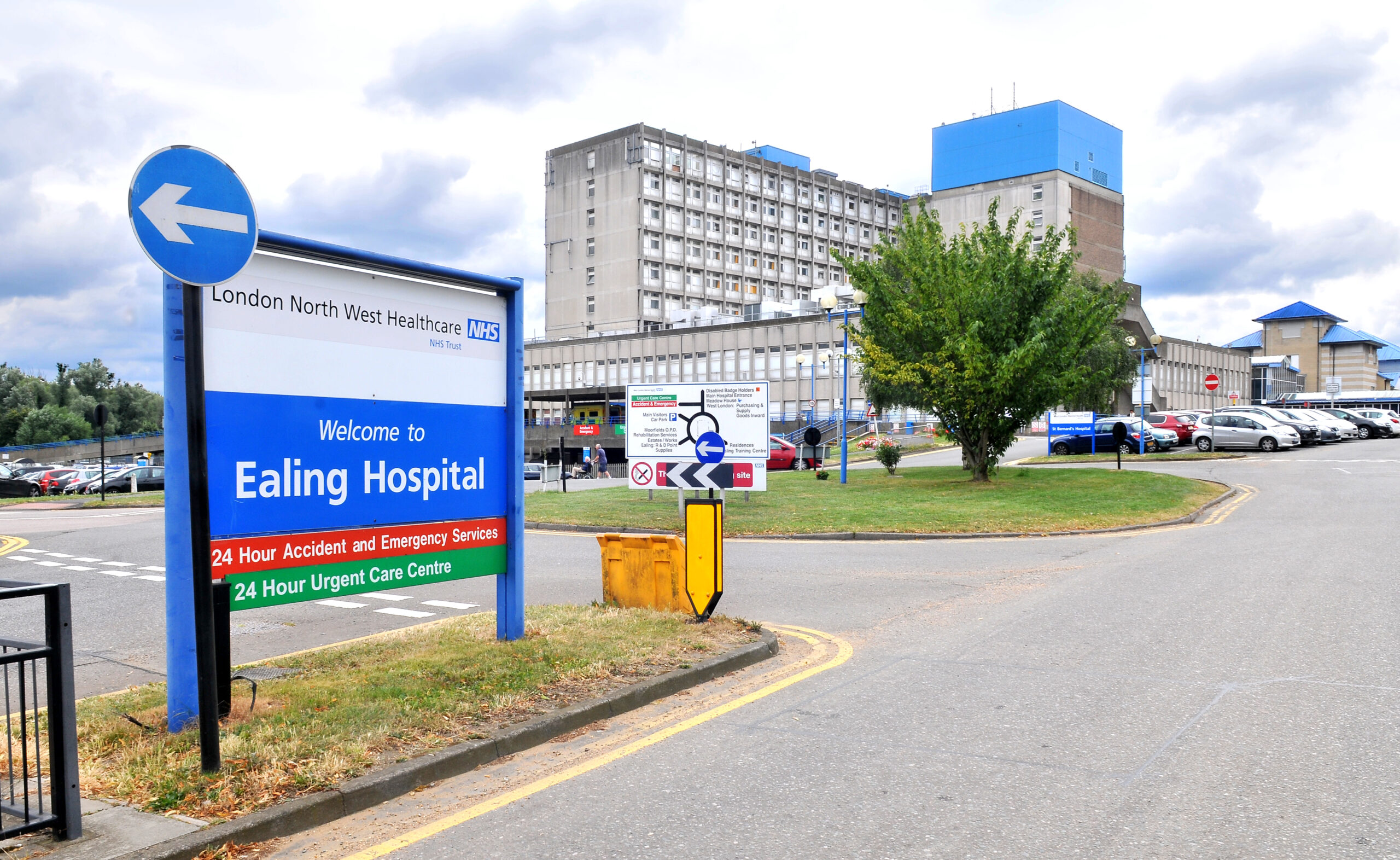
Ealing Hospital has been upgraded from Requires Improvement to Good by the Care Quality Commission (CQC) after inspectors found improvements to emergency care and patient safety, although ambulance handover delays remain a concern.
The hospital, run by London North West University Healthcare NHS Trust, was inspected in July 2026, a year after the CQC raised concerns about patient safety and dignity. Its urgent and emergency care services have also been upgraded to Good.
The Trust is undertaking a £1.6 million refurbishment of Ealing Hospital’s emergency department, including additional treatment and assessment spaces, changes to waiting areas and facilities for patients with mental health needs.
The CQC rated the hospital Good for safety, effectiveness, caring and leadership, although responsiveness remains rated Requires Improvement.
End-of-life care also retained its Good rating, with inspectors finding that staff treated patients with compassion and dignity and worked together to support their families.
The previous inspection raised concerns about privacy for patients treated in temporary areas, staffing and infection control. The Trust says it has since increased staffing and supervision, provided more private spaces for patients and strengthened infection control measures.
The CQC found that the hospital was no longer in breach of regulations covering patients’ dignity and safe care and treatment.
Inspectors also reported changes to the emergency department, including more seating, clearer signs and displays showing waiting times.
Patients were being assessed promptly on arrival. According to data covering July 2025 to June 2026, patients were triaged within 14 minutes, meeting the national guideline of 15 minutes.
Ambulance handovers remain a concern. In June 2026, only 59.3% of patients arriving by ambulance were handed over to hospital staff within 30 minutes, against a national target of 95% and an England average of 75%.
The hospital performed consistently above the England average for patients being treated within four hours, frequently meeting the national standard of 78%. Between January and June 2026, 5.2% of patients waited in the emergency department for more than 12 hours.
A dedicated mental health assessment room was still being developed when inspectors visited, along with additional clinical space. The CQC said it was too early to assess the effect of some of the changes because work had not been completed.
The hospital has also introduced translation technology covering more than 100 languages to help patients communicate with staff.
Antoinette Smith, CQC deputy director of hospitals for London, said: “When we inspected urgent and emergency care services run by London North West University Healthcare NHS Trust, it was clear that leaders had made improvements across the departments. People were being assessed and triaged in a timely manner, improving their overall experience and ensuring more effective care.”
She added: “At both Ealing Hospital and Northwick Park, the department had been redeveloped and redesigned to ensure people’s safety and comfort.”
Northwick Park Hospital in Harrow has also seen its urgent and emergency care services upgraded from Requires Improvement to Good, along with its services for children and young people. The hospital remains rated Requires Improvement overall.
Central Middlesex Hospital in Park Royal, also operated by the Trust, was rated Good in 2025.
The Trust itself remains rated Requires Improvement overall. It says more of its services will need to achieve Good ratings and a further inspection of its leadership will be required before its overall rating can improve. The Trust is aiming to achieve this within the next 12 to 18 months.
Mark Titcomb, chief executive of London North West University Healthcare NHS Trust, said: “Most importantly, inspectors saw the difference our teams are making for patients: faster assessment, safer and more comfortable environments, better communication and care delivered with dignity and compassion.
“We know there is more to do, and we will continue addressing the areas identified by the CQC. But this is important progress, and I want to thank every colleague whose hard work, professionalism and commitment to our patients has made it possible.”

 after inspectors found improvements to emergency care and patient safety, although ambulance handover delays remain a concern.)